20. February 2021

The Guardian reports on our efforts to release animals abord the livestock carriers Karim Allah and Elbeik
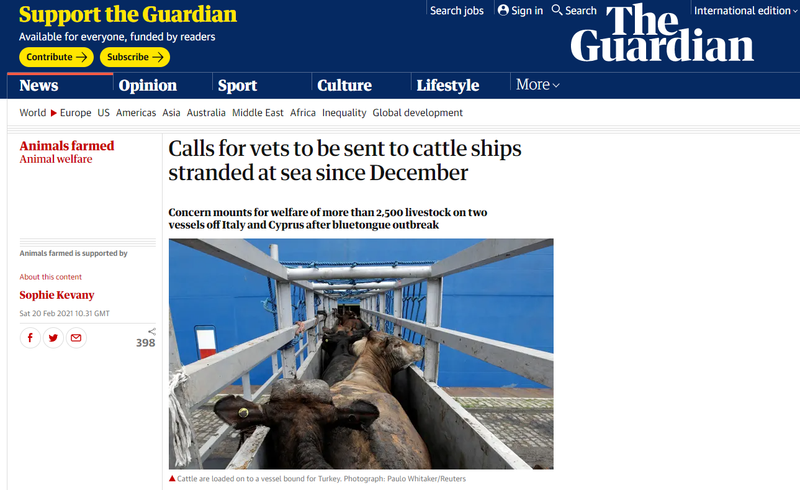
The Guardian reports on our efforts to free thousands of cattle from the livestock carriers Karim Allah and Elbeik. The animals have been stuck on the ships for two months after they left the ports of Tarragona and Cartagena for Libya in December. Some animals are suspected to be infected with the bluetongue virus. Therefore, the unloading of many…

13. February 2021

EU live exports by sea: Cattle with bluetongue disease held aboard for almost two months
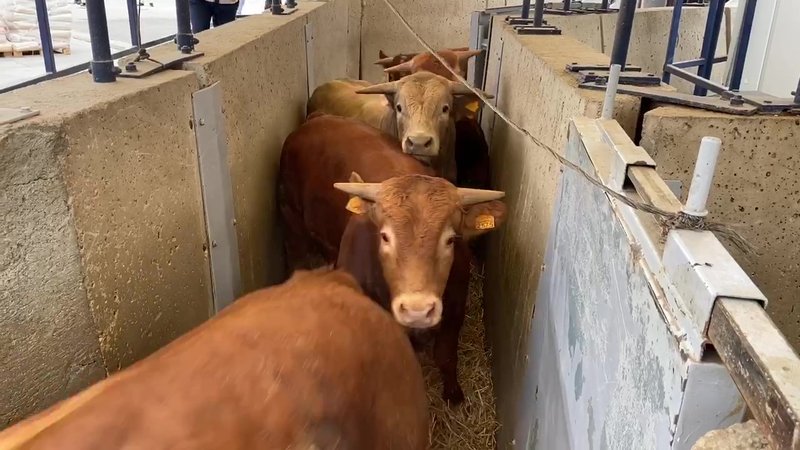
Our teams document the loading of European animals onto the livestock vessel Elbeik. Port of Tarragona, Spain.

Yesterday evening we received the news that sick cattle from the EU have been detained aboard the livestock carrier "Elbeik" for almost two months. There is a suspicion of a bluetongue disease outbreak. For this reason, animals were not allowed to be unloaded in the destination country Libya. Since then, the ship has stopped in several countries…

07. February 2021

Canada | Alberta | Feedlots of Bouvry slaughterhouse

No protection from the cold – not even for heavily pregnant mares.

Together with our North American partners, the Canadian Horse Defence Coalition and Animals’ Angels USA, we have been documenting the horse feedlots at the Bouvry slaughterhouse in Alberta for many years. Here, thousands of horses are fattened with grain feed to their maximum slaughter weight. Our previous investigations have uncovered tremendous…

01. February 2021

Poland | Nowy Targ | Live transport: Justice for lambs
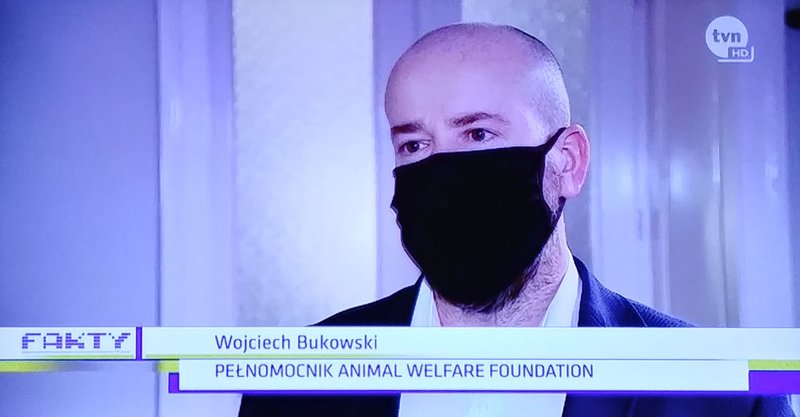
The national news are reporting about the verdict. Our attorney is being interviewed about the case by the news magazine "Fakty".

Every year before Easter, Italy imports thousands of lambs for slaughter. Our team has been investigating the trade and violations against animal welfare during transport for half a decade. Together with the Polish animal welfare organisation, VIVA, we started a trial in 2018 against the organiser of one of these transports and the official…

31. January 2021

Poland | Bodzentyn | Monthly Report January: Cattle and Horse Markets
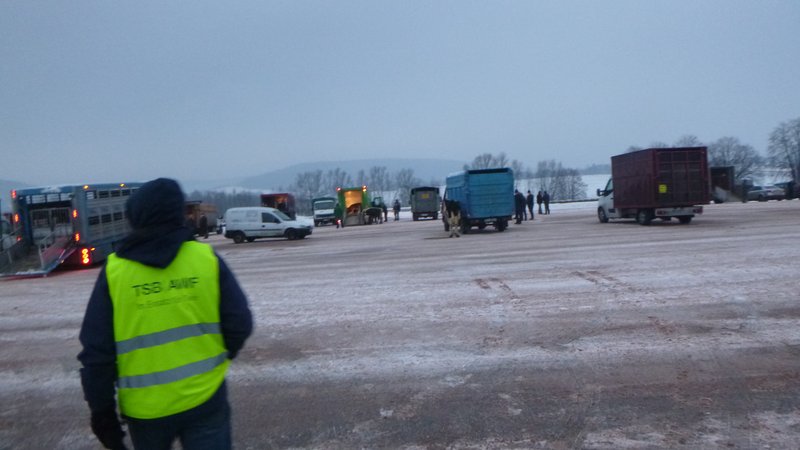
Our team is inspecting the cattle market in Bodzentyn almost every week.

Our team is investigating the cattle market in Bodzentyn. In January, we document more traders and animals than during the previous months. This circumstance is probably related to the COVID-19 pandemic. Recently, the government decided to support Polish farmers by temporarily suspending the entry fee to animal markets.

During our market…

28. January 2021

Animals in Europe Podcast: How can we improve the live transport rules?
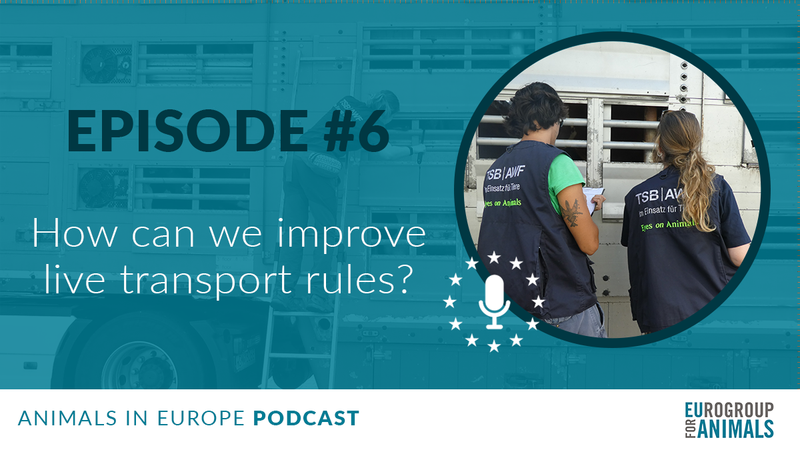
Source: Eurogroup for Animals

In this podcast episode, our project manager, Maria Boada Saña, joins Reineke Hameleers, CEO of the Eurogroup for Animals, in a conversation about her work in the field and how the current EU live transport rules should be improved to better serve the welfare of animals.

Listen to the podcast here 


28. January 2021

Brussels: Eurogroup for Animals launches White Paper on the Revision of the Transport Regulation
Source: Eurogroup for Animals

Yesterday, our partners in Brussels, the Eurogroup for Animals, presented their demands for the revision of the EU transport regulation. The revision of this EU law is a milestone in the history of animal welfare.

Our team was also present at the launch of the white paper - as support for technical questions. In advance, our teams supported the…

27. January 2021

The Guardian: EU responsible for up to 80 % of live animal trade

"New analysis suggests the EU could be responsible for up to 80% of the global trade in live farm animals, which continues to be linked to animal welfare failings. 

Iris Baumgaertner, of Swiss-German NGO AWF-TSB, said in Germany the specialty is hatched chicks. The report found that the country exported 312 million head of poultry within the EU in…

25. January 2021

Poland | Wachock | Helping animals in need during the COVID-19 pandemic

One out of four puppies during an examination at the veterinary clinic.

The information about our support for animals in need during the COVID-19 pandemic spreads very quickly in the region. In January, our team receives a lot of calls from animal owners asking for help.

First, our team visits the owner of two female dogs who has been reported by her neighbours due to excessive breeding. We were informed that both…