Complaint Against the New License for Iceland’s Blood Farms
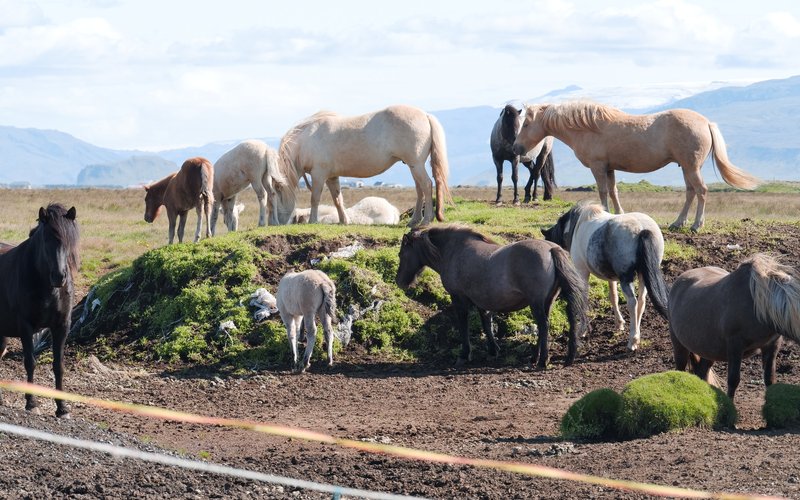
The Icelandic Veterinary Authority (MAST) has unexpectedly granted the pharmaceutical company Ísteka a new, two-year license to collect blood from pregnant mares. However, this authorization is unlawful. We have therefore joined forces with Icelandic and international partner organizations and retained a lawyer in Iceland who specializes in animal welfare law to file an appeal against the Veterinary Authority’s decision.
Ísteka extracts the hormone PMSG from the blood of pregnant Icelandic mares. The hormone is used in industrial animal breeding. For years, we have been documenting the conditions at these so-called “blood farms.” Our research shows that the mares are subjected to significant stress during blood collection and that the blood is drawn by force. While some put up a strong fight, others show signs of complete resignation. Their foals are a mere byproduct of the blood industry and end up in pet food.
In recent years, pressure on the Icelandic authorities has increased. Hundreds of thousands of people have signed a petition against the blood farms, legal opinions have concluded that the practice is not in compliance with the law, and even the EFTA Surveillance Authority has criticized Iceland over the blood farms. Legally, the matter is clear: Animals may only be used for the production of pharmaceuticals in Iceland if there are no alternatives.
But such alternatives do exist. The suffering of the mares for the extraction of the fertility hormone is therefore completely unnecessary.
License Renewal Violates Icelandic Law
When Ísteka’s previous license expired, the end of the blood farms seemed within reach. This made the decision by the veterinary authority MAST to grant the company a new license all the more shocking. In doing so, MAST is deliberately defying the regulations!
We will not accept this. Together with partner organizations, we are taking legal action against the decision.
With the complaint we have filed, we aim—together with our Icelandic and international partner organizations—to have the license revoked. If we are successful, this would mark the end of blood collection from pregnant mares in Iceland.