We demand an end for cruel live transports by road and sea
EU Animal Transports
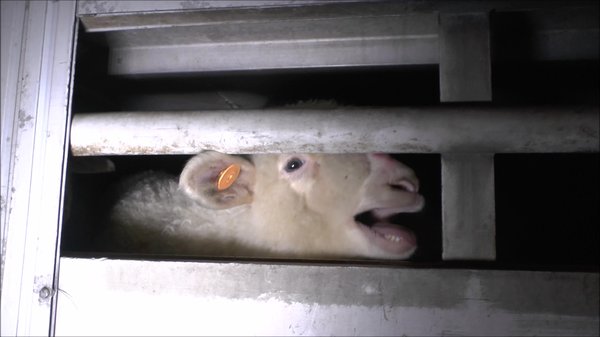
Animal transports in the European Union
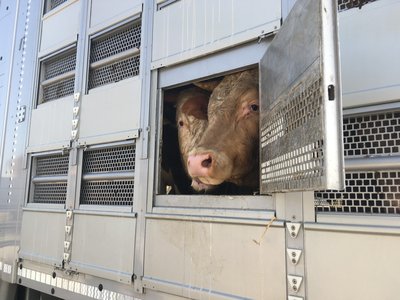
Millions of animals are being transported within the EU for breeding, fattening and slaughtering every day. In order to regulate the standards for live transports across Europe, the Council Regulation (EC) No 1/2005 on the protection of animals during transport has been applied since 2007. It is legally binding to all member states in the European Union, however, it is the lowest common denominator the member states could agree on.
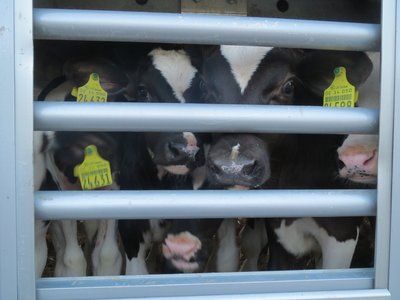
The space that is required by law is too small and the transport duration is too long. Young, and unweaned animals are allowed to be transported for up to 18 hours, pigs and horses up to 24 hours and cattle up to 28 hours, provided that they are being unloaded for a 24 hour resting period afterwards.
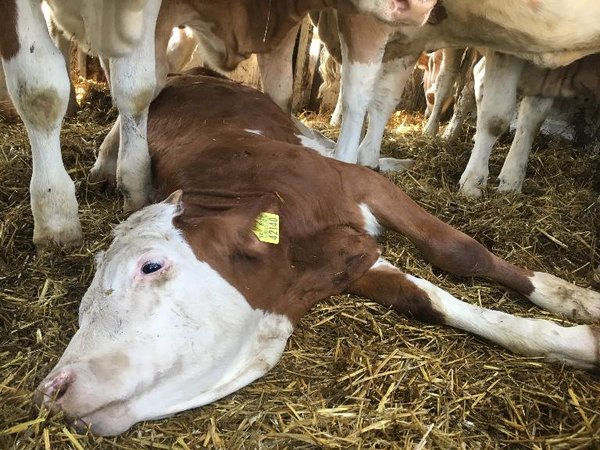
Problems of animal transports within the European Union
The Council Regulation (EC) No 1/2005 does not include a general ban on animal transports lasting days or weeks. The resting and transportation intervals can be continued endlessly. Therefore, animals are being transported over many thousands of kilometres and through different climatic zones.
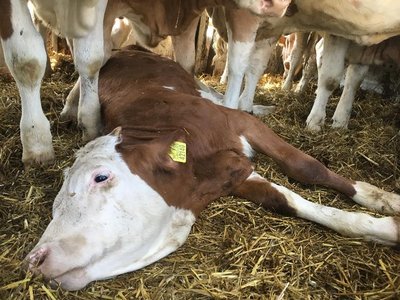
Even the low legal requirements are often ignored. The animals suffer especially from:
- heat and cold stress,
- not having enough space to stand or lie down in a natural position,
- the lack of feed or water to sufficiently meet their needs.
The implementation of legal requirements and the sanctioning of violations varies widely across different EU member states. This circumstance creates "loopholes" that are being exploited to avoid strict measures. It starts with the approval of transport vehicles and continues with the permission of cruel transport conditions. Animal transports are a business that more and more companies are entering without any experience of handling animals. It is a downward spiral.
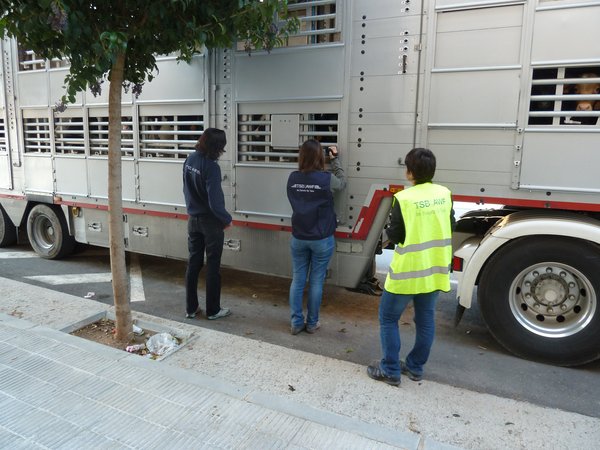
What we are doing
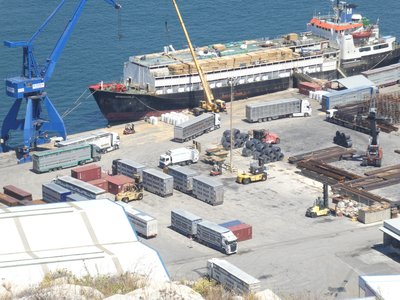
We have been working on the topic of long-distance transports of animals for years with a focus on live exports to EU third countries and transports of unweaned animals.
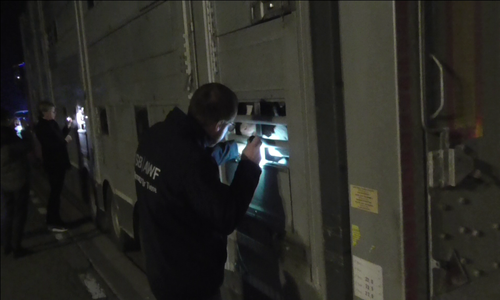
We are offering trainings for police officers and official veterinarians in several member states in order to improve the quality of animal transport inspections.
Together with our umbrella organisation, Eurogroup for Animals, we are calling for an end of long-distance transport of animals.
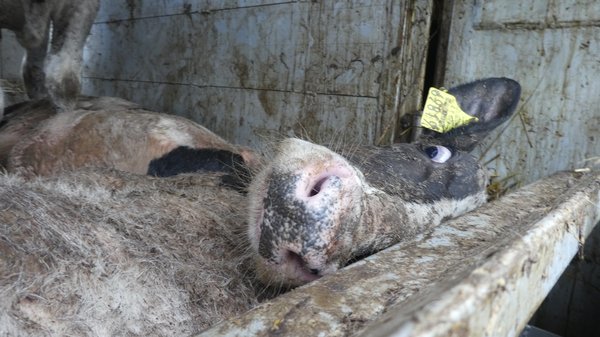
How you can get involved
Support our teams with your donation:
Donate kilometres for our investigations
Stay informed about our work:
Sign up for our newsletter
Investigations
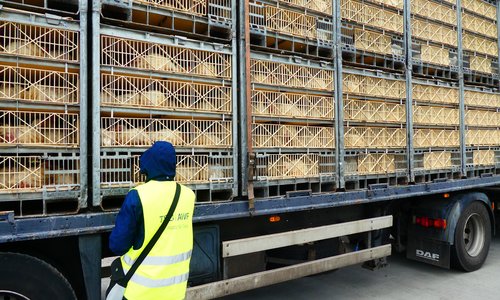
Live transport investigation in Poland together with the Polish Road Transport Police (ITD)
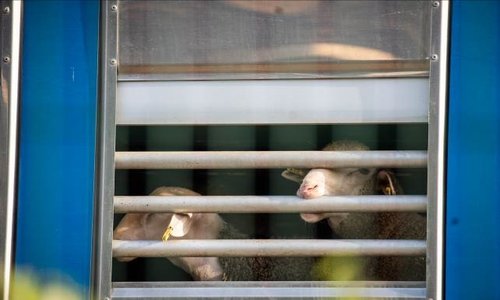
Investigation in Cartagena: Spain's live export industry by sea
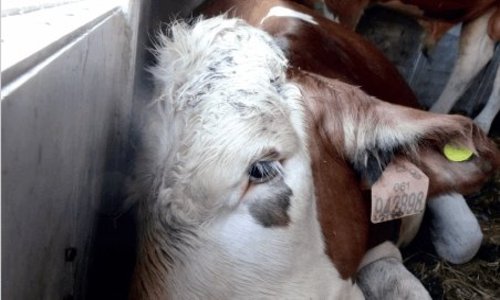
Three scientific evaluations of our investigations show the truth behind live animal transport
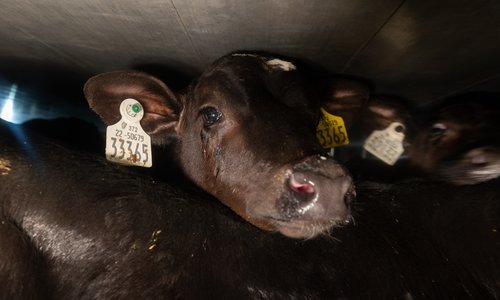
Investigation in Poland: Live transport inspections during the night together with the Polish Road Transport Police (ITD)
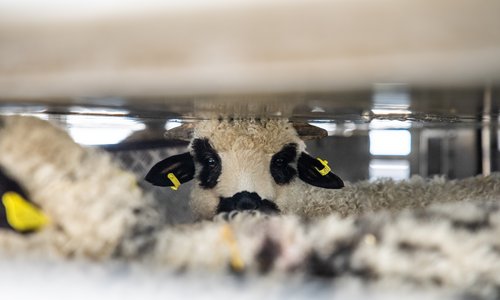
Easter investigation in Italy: Long-distance transports of lambs
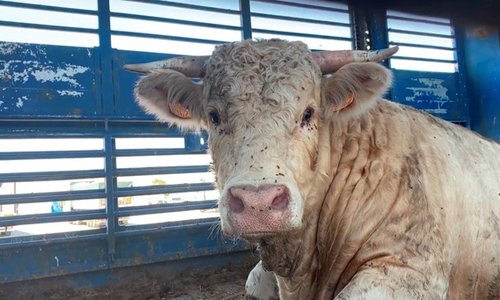
Ferdinand: Failure of the competent authorities to protect animals during transport
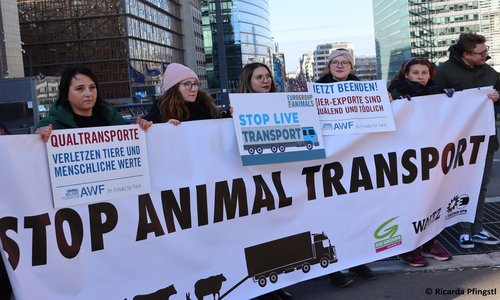
Round table in the EU Parliament: end in sight for live exports?
Investigation in France: Calves remain hungry at EU supply station (control post)
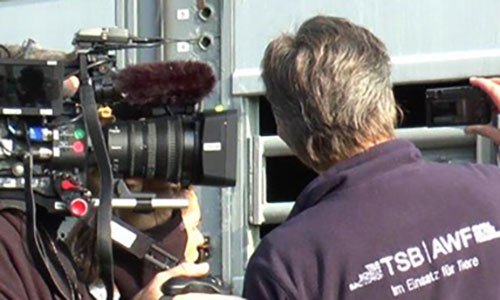
Read all press reports
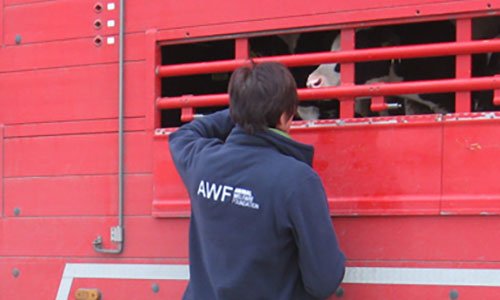
Read all investigation reports
Live transport investigation in Poland together with the Polish Road Transport Police (ITD)
Investigation in Cartagena: Spain's live export industry by sea
Three scientific evaluations of our investigations show the truth behind live animal transport
Investigation in Poland: Live transport inspections during the night together with the Polish Road Transport Police (ITD)
Easter investigation in Italy: Long-distance transports of lambs
Ferdinand: Failure of the competent authorities to protect animals during transport